

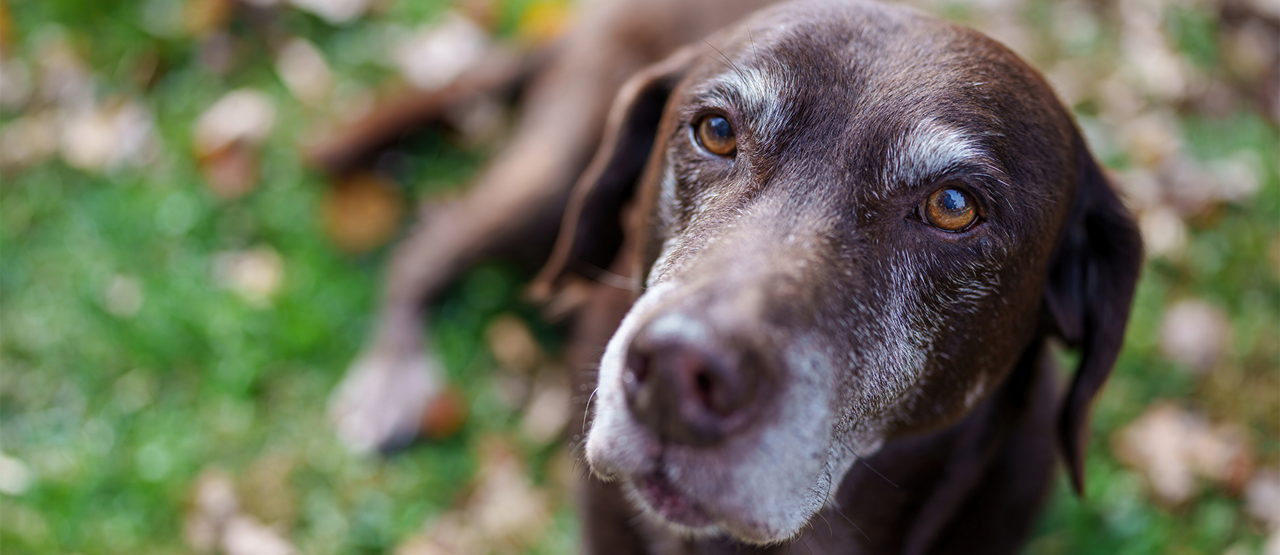
As your pets grow older, their care needs evolve. At Culebra Creek Veterinary Hospital & Resort in West San Antonio, we understand that aging dogs and cats deserve a little extra love and attention. From tailored nutrition to preventive wellness exams, our team is here to help your senior pet live a long, happy, and comfortable life.
When Does a Pet Become a Senior?
Size plays a big role in determining when your pet is considered a senior:
-Large & Giant Dogs (80+ lbs): Around 6–7 years
-Medium Dogs (20–80 lbs): Around 8–10 years
-Small Dogs (under 20 lbs): Around 10–12 years
-Cats: Around 10 years
Why Senior Pet Care Matters
Even the most energetic pets can develop health issues that aren’t visible on the surface. Preventive care—including regular checkups, dental cleanings, bloodwork, and parasite prevention—helps us detect changes early and keep your pet feeling their best.
At Culebra Creek, we also monitor:
-Joint and mobility comfort
-Weight and nutrition
-Cognitive and behavioral changes
-Pain and arthritis management
-Vaccines and parasite protection
Common Signs of Aging in Pets
If you notice stiffness, cloudy eyes, weight change, bad breath, or behavioral differences, your pet may be feeling their age. Early veterinary attention can make a big difference in comfort and longevity.
Senior Pet Wellness Exams in West San Antonio
We recommend senior wellness visits every six months to stay ahead of any changes. With San Antonio’s hot summers and mild winters, senior pets may need hydration support or mobility adjustments to stay comfortable all year.
Book your senior pet exam at Culebra Creek Veterinary Hospital today—because your best friend deserves the best golden years.
References:
-American Veterinary Medical Association. (2023). How to care for senior pets. AVMA
-American Veterinary Medical Association. (n.d.). Preventive pet healthcare. AVMA
-Morrison, B. J. (2024, November 5). When is a dog considered a senior? PetMD
Veterinary Partner. (2025, April 1). Signs of pain in pets. VIN Veterinary Partner